.webp)
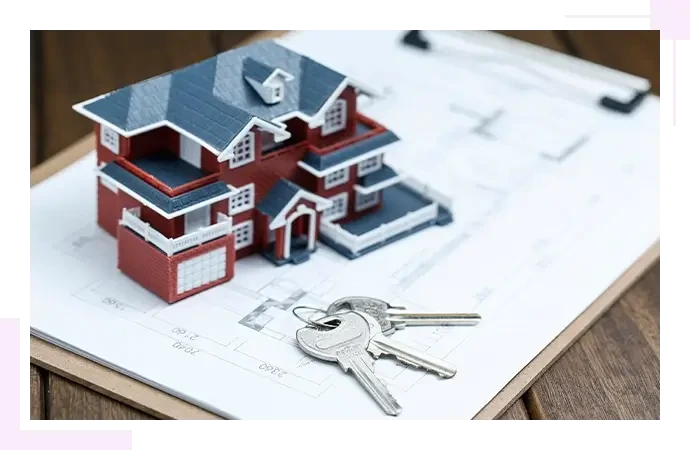
Property management is the operation, control, and oversight of real estate on behalf of an owner. It can apply to residential, commercial, or industrial properties, and typically involves both day-to-day tasks and long-term planning.
At its core, property management includes:
1. Tenant management
Finding and screening tenants, handling leases, collecting rent, and addressing tenant concerns or disputes. A good manager aims to keep occupancy high while maintaining reliable tenants.
2. Maintenance and repairs
Coordinating routine maintenance (like landscaping or HVAC servicing) and handling unexpected repairs. This keeps the property safe, functional, and attractive.
3. Financial management
Setting rental rates, collecting payments, managing budgets, and providing financial reports. This may also include paying property expenses such as taxes, utilities, and insurance.
4. Legal compliance
Ensuring the property complies with local housing laws, safety regulations, and lease requirements. This can include eviction procedures, fair housing laws, and inspections.
5. Marketing and leasing
Advertising vacant units, showing properties, and negotiating lease terms to minimize vacancy time.
6. Property oversight
Regular inspections and strategic improvements to maintain or increase the property’s value over time.